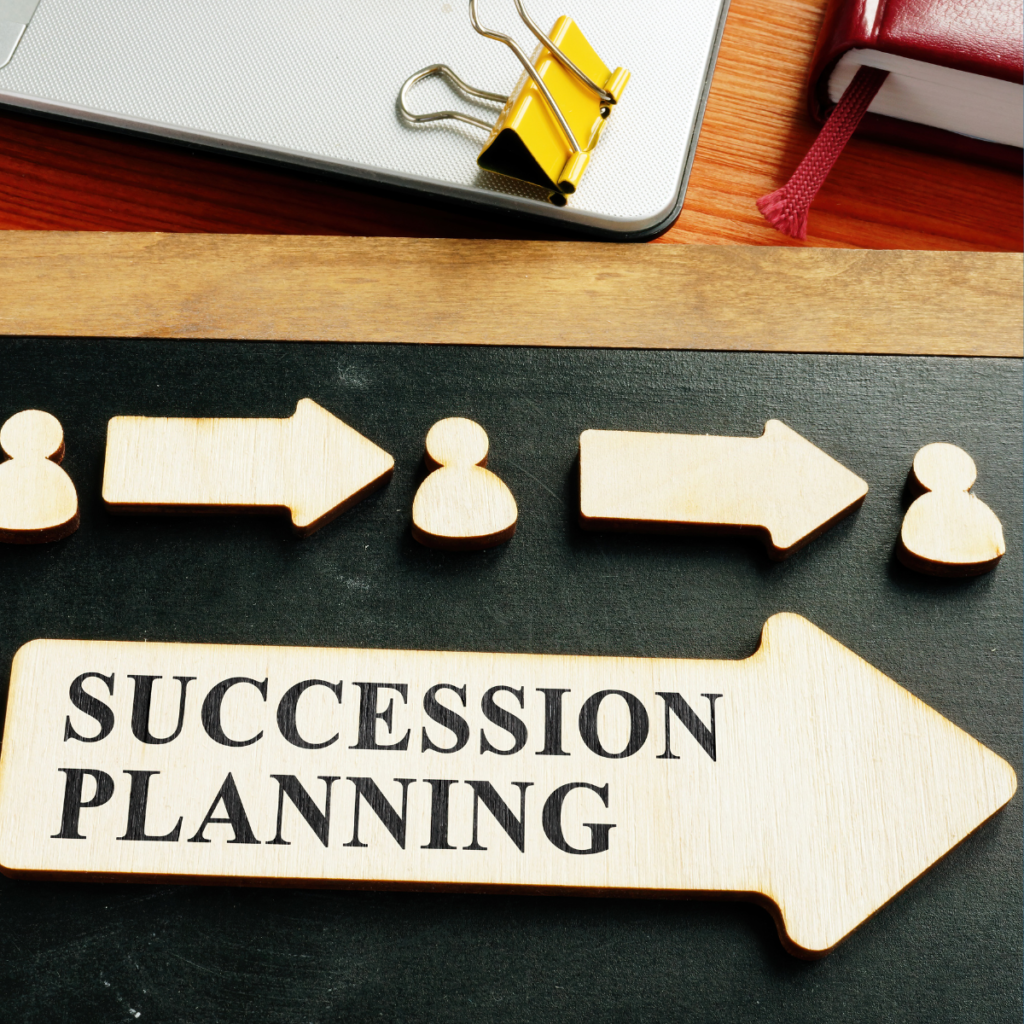
For years, succession planning was treated as a long-term leadership discussion. Something important, but rarely urgent. That mindset may be becoming harder to sustain.
Across Canada’s mid-market, many organizations appear to be facing a growing concentration risk: decades of operational knowledge, client relationships, technical expertise, and strategic decision-making sitting with a relatively small number of individuals. In many cases, those individuals are approaching retirement within a similar timeframe.
The issue may not simply be age. It may be dependency. Many companies built around long-standing leadership teams have operated successfully for years without formally addressing succession. Knowledge transfer often remained informal. Leadership development was frequently secondary to day-to-day execution. Internal successors were sometimes assumed rather than actively prepared.
For a long time, this approach may have felt sufficient. But the current environment appears far less forgiving. As organizations navigate inflationary pressure, digital transformation, AI integration, supply chain instability, and increasingly compressed decision cycles, operational continuity may no longer be guaranteed by tenure alone. In some cases, the opposite may even be true.
The more knowledge concentrated within a small leadership group, the greater the operational vulnerability may become once transition inevitably arrives. This seems particularly visible in founder-led and privately held businesses, where institutional knowledge often exists more in conversations, relationships, and habits than in scalable systems. In some organizations, a single retirement can quietly destabilize an entire function. In others, the departure of one executive may expose how little leadership depth was developed beneath them.
The challenge may not be a lack of talent in the market. It may be the absence of leadership readiness inside organizations themselves. Succession planning today increasingly appears to be more than an HR discussion. It may also be a business continuity issue. A governance issue. A growth issue.
The organizations navigating this transition most effectively are not necessarily the ones with the oldest leadership teams or the most experienced executives. They are often the ones investing earlier in operational resilience — before urgency forces reaction.
Because the companies most exposed to succession risk are often the ones that appear the most stable from the outside. And by the time instability becomes visible, the transition window may already be closing.