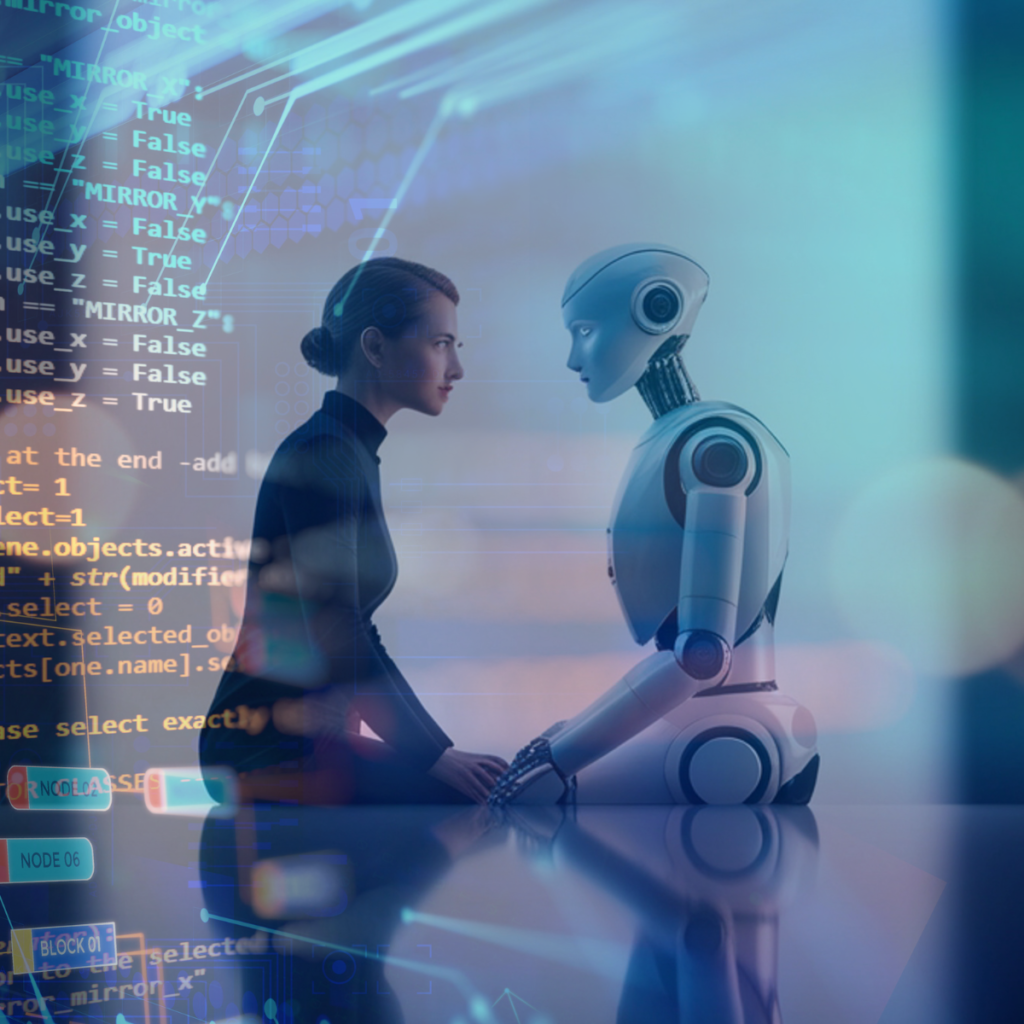
For the first time, companies are not just talking about efficiency. They’re redesigning entire teams around it.
- Fewer people.
- More automation.
- Faster output.
- Lower cost.
On paper, it makes complete sense. So here’s the question no one is asking clearly enough: What happens to a company when it becomes too efficient?
Because AI doesn’t think. It recognizes patterns. It optimizes what already exists. It improves the average.
But growth rarely comes from the average.
It comes from tension. From disagreement. From ideas that don’t make sense — until they do. And those don’t emerge from systems trained to replicate what has already worked.
They come from people.
From intuition. From contradiction. From someone saying, “this doesn’t feel right” — even when the data says it is.
So yes — AI will replace tasks.
It will reduce teams. It will reshape entire functions.
But if companies remove too much of the human layer, something else starts to disappear quietly: their ability to challenge themselves.
And without that, efficiency becomes a trap. Because you’re no longer evolving — you’re just getting better at repeating.
The companies that win won’t be the ones that replace people.
They’ll be the ones that understand what should never be replaced.